D
E

Jane and Louise Wilson

COUNTERMEASURES

06.02.2026 – 16.08.2026
Curated by Juliane Duft

Opening: Sunday, 08.02.2026, 12 p.m. – 5 p.m.


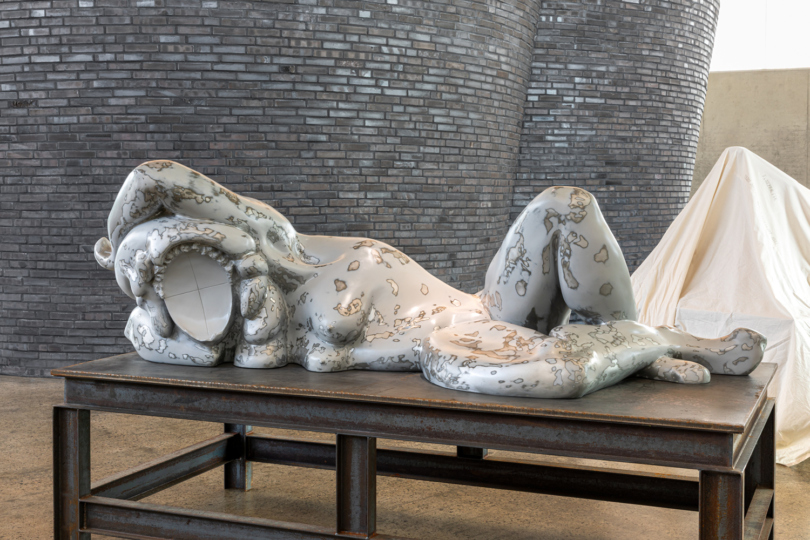
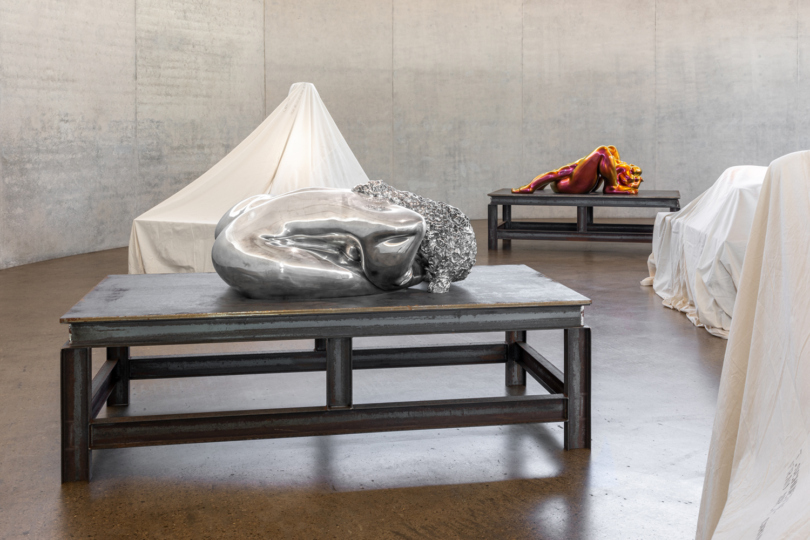
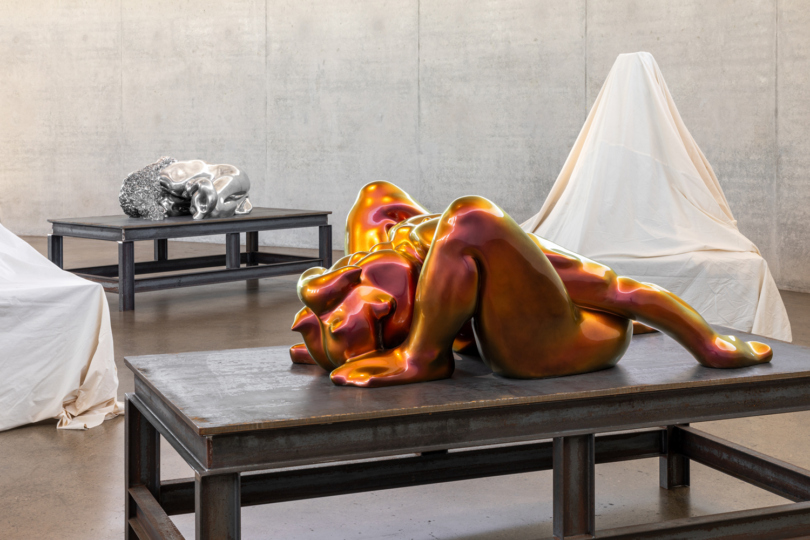
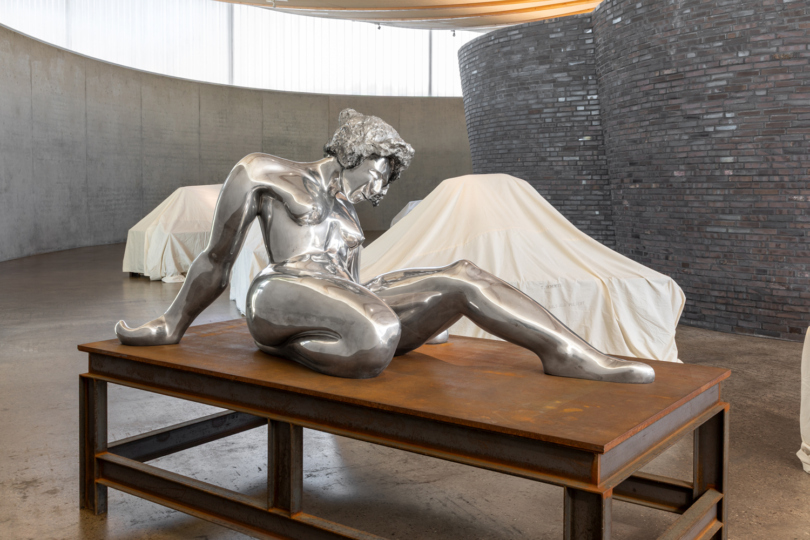
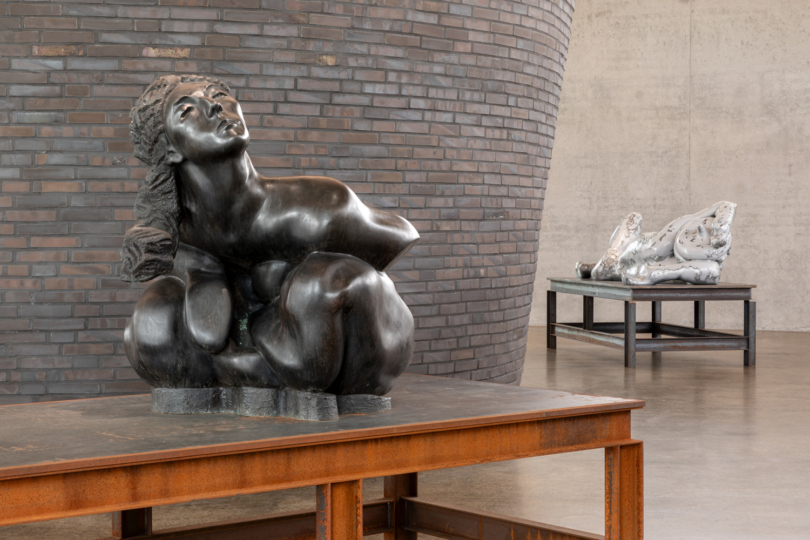
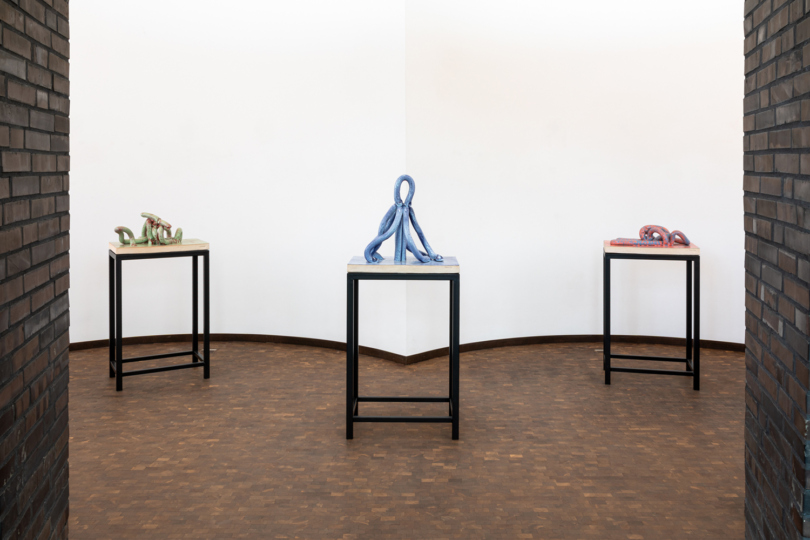
Jane and Louise Wilson have pioneered  video art as spatial installation since the 1990s. They explore and transform the macro- and microstructures of contemporary life – from architecture to cellular tissue – to offer novel spatial experiences. With the exhibition at the Skulpturenhalle, the moving image takes centre stage for the first time as a sculptural medium.

Born in Newcastle upon Tyne (UK) in 1967, the sisters combine video, photography and sound in conceptual investigations of visibility and invisibility in relation to power structures. Their work came to international prominence through projects for which they accessed restricted, politically charged sites such as military facilities, government buildings, and border zones. Among the locations they filmed and photographed are a former Stasi prison, “Star City,” the training complex of the Russian space programme, and Chernobyl. From the material gathered, they develop video installations that offer new, often unsettling experiences of space. Fragmented architectures and bodies condense, architecture emerges as a repository of memory and shifting value systems.

As identical twins, Jane and Louise Wilson share a distinctive sensitivity to the relationships between perception, matter, image, and identity – especially their fractures. Architectural, medial, and psychological layers intersect in their work; equally central are the suggestive powers of cinema, visual language and hypnosis, as well as camouflage and facial recognition as phenomena of control. Mirrorings, duplications and visual shifts permeate their practice, highlighting the surreal and irrational dimensions of the modern structures surrounding us.

Their first exhibition in Germany in twenty years takes the Skulpturenhalle – situated on a former NATO and U.S. missile base, now surrounded by fields – as its point of departure. Key video installations from the early 2000s and architectural photographs are shown alongside the most recent body of work, developed since 2018 in Korea and Japan, which also addresses natural structures. The exhibition traces the interrelations between space, body, perception, and power; its works provoke thoughts cast light on contemporary technological and geopolitical issues.

Juliane Duft